

Trading cards aren’t just something you rip and forget anymore. For a lot of collectors, they’re long-term holds, trade currency, or part of a bigger collecting plan. Whether it’s Pokémon or sports cards, most people in the hobby are thinking more carefully about what they buy and why.
That leads to a question that never really goes away…
Are Pokémon cards better investments than sports cards?
The honest answer depends on how you collect and what you expect out of your cards. Below is a practical comparison based on what actually matters: long-term value, short-term resale, supply, and stability.
How the Two Markets Really Work
Pokémon and sports cards might share the same card shops and grading companies, but they move for very different reasons.
Trading card games like Pokémon are driven by a mix of gameplay, nostalgia, and global fandom. Demand comes from kids opening packs, nostalgic factor, competitive players, and adults chasing the cards they couldn’t afford years ago.
Sports cards like Topps, Panini, and Upper Deck are tied directly to athletes and leagues. Prices rise and fall based on careers, performance, injuries, and legacy. Scarcity is usually intentional and built through serial numbering, autographs, and limited inserts.
Both are collectibles, but the pricing logic behind them is not the same.
Long-Term Value: Big Upside vs. Steady Growth
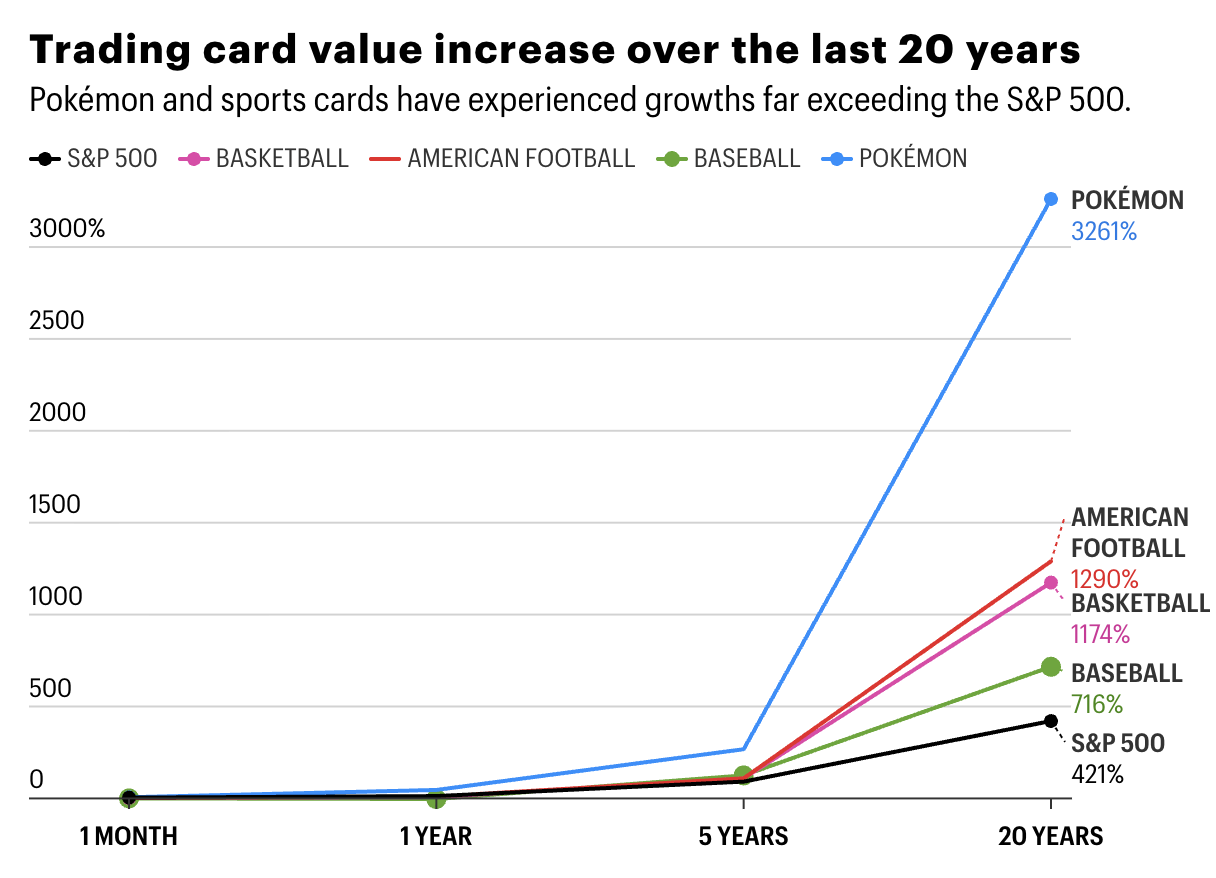
Pokémon has produced some of the biggest success stories in the hobby, but most of those gains live at the very top end of the market, like Logan Paul, who purchased a Pikachu Illustrator card for over 5 million dollars!
Early Pokémon cards, especially first editions, early print runs, and key promotional releases, have become pillars of the hobby. Cards like the 1999 base Charizard and the famous Pikachu Illustrator are historically important. In high grade, they behave more like vintage comics or coins than modern trading cards.
That kind of growth isn’t common across the board. Most long-term Pokémon card value comes from:
- Early-era cards
- First editions and low-print releases
- Limited promos
- High-grade copies from trusted grading companies like PSA
Sports cards take a different path. Vintage cards, particularly from earlier eras, have shown steady appreciation over decades. Modern cards can also do well, but usually when tied to all-time great players or historically meaningful moments.
The advantage sports cards have is clarity. Careers end. Records are set. Legacies don’t change.
Collector takeaway: Pokémon cards can offer massive upside in a short amount of time, but sports cards, especially vintage, tend to grow more slowly and with fewer surprises.
Short-Term Resale and Flipping
Reselling and flipping are where a lot of active collectors spend their time, whether they admit it or not.
Pokémon are strong for short-term moves. New releases often sell out quickly, and chase cards can command immediate premiums. Promos, secret rares, and fan-favorite characters like Kabuto, which was made currently famous thanks to Kabuto King.
The risk is timing. Once reprints hit or attention shifts, prices can drop fast. Success here depends on understanding print waves, grading turnaround times, and which sets still hold interest after release week.
Sports cards flip differently. Rookie cards, short prints, and autographs rise with on-field performance. A hot start, award buzz, or a playoff run can drive demand overnight. Injuries or slumps can cool prices just as quickly.
Collector takeaway: Pokémon move faster. Sports cards reward patience and player knowledge.
Rarity, Print Runs, and What Actually Matters
Rarity is one of the most misunderstood parts of the hobby.
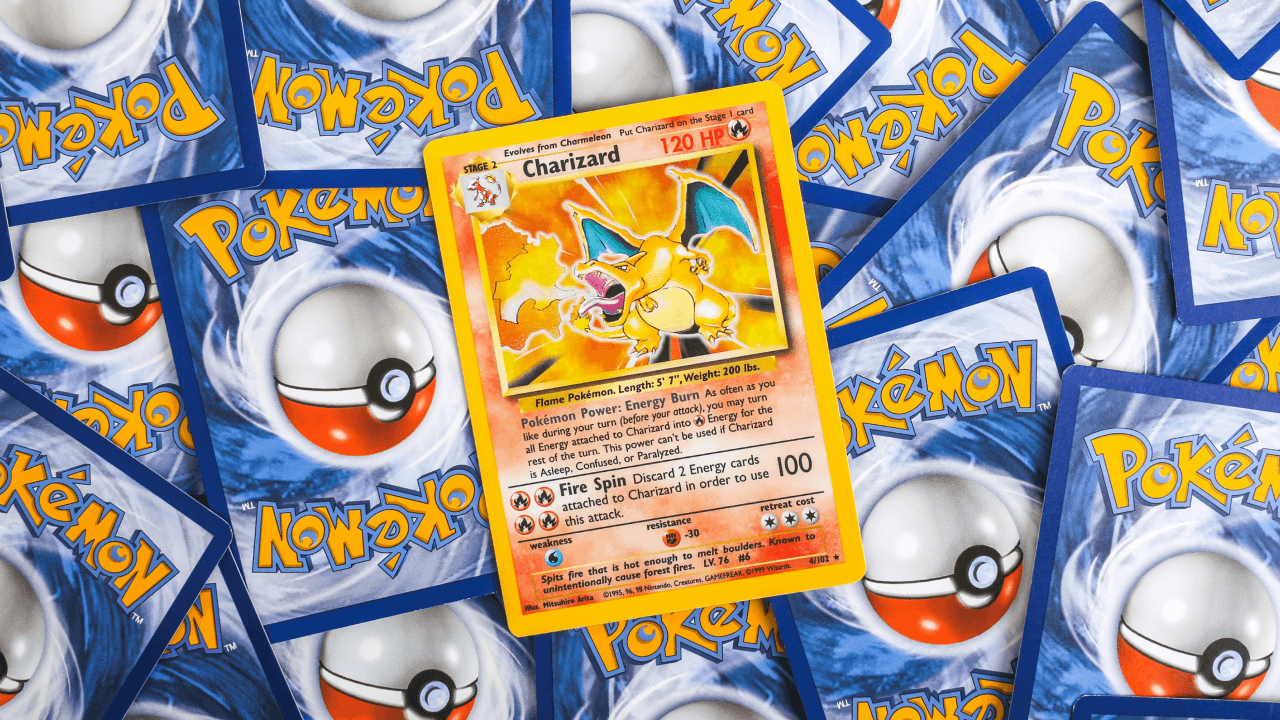
Modern Pokémon products are printed in huge quantities. Even when a pull feels rare, overall supply is often high. That’s why most modern base cards and plenty of hits don’t age well.
Pokémon cards that tend to hold value over time are usually:
- Early releases
- First editions
- Limited promotional cards
- High-grade examples
Sports cards handle scarcity more directly. Value is often tied to:
- Serial-numbered cards
- Autographs
- Short prints and super short prints
- One-of-one cards
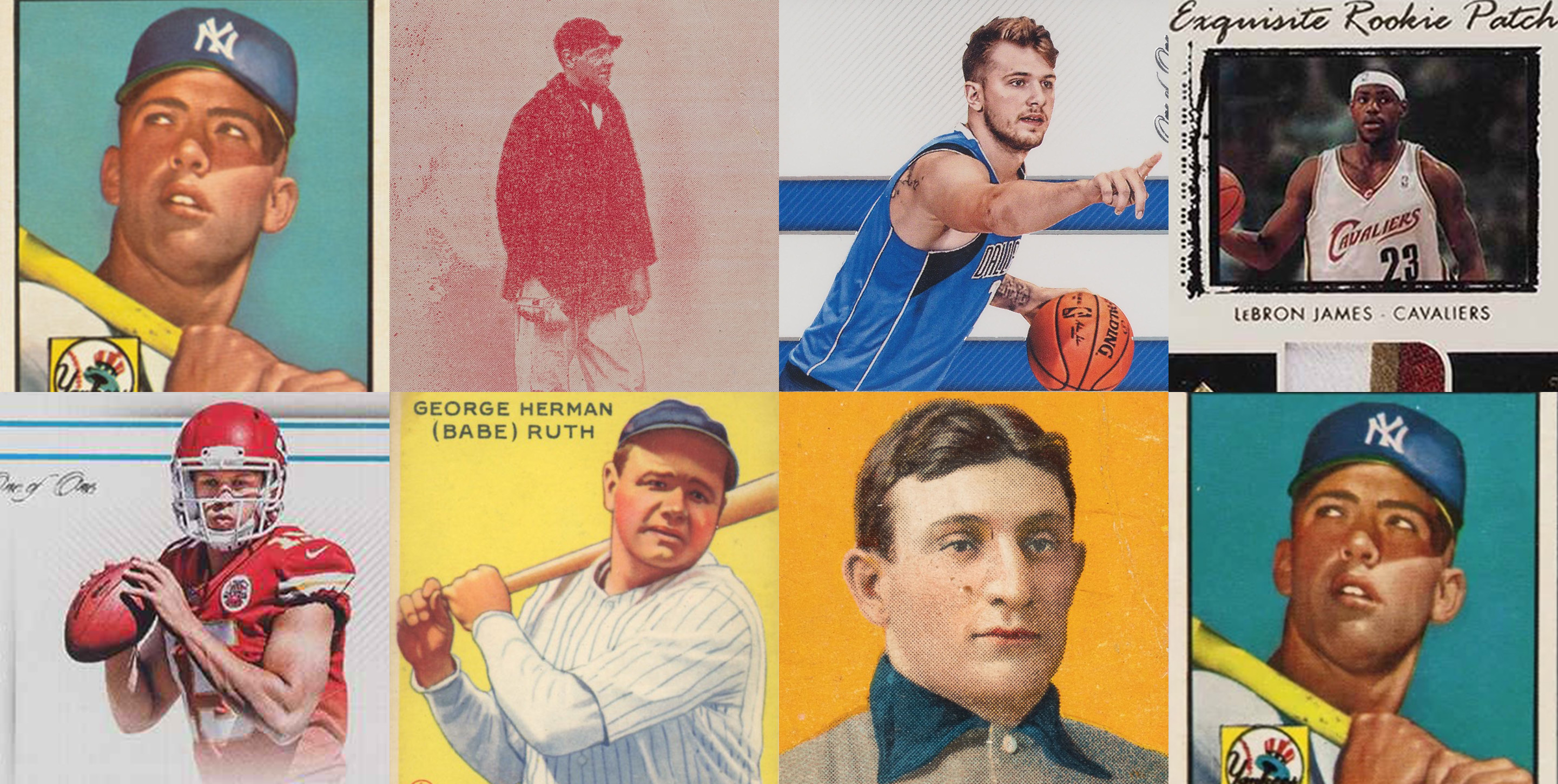
Vintage sports cards add another layer of scarcity through age and survival rate, which modern cards can’t replicate.
Collector takeaway: Pokémon scarcity is proven over time. Sports card scarcity is built in and easier to track, but both suffer from the Junk Wax 2.0 Era, which means there is a significant issue of overprinting in both sectors, like the current Pokémon Charizard UPC, as an example.
Stability and Risk
Both markets have volatility. It just comes from different places.
Pokémon is influenced by nostalgia cycles, pop culture, and collector sentiment. Prices can climb quickly during renewed interest and cool off just as fast when attention shifts or when supply catches up.
Sports cards respond to real-world events. Performance, injuries, trades, and awards all affect value. Modern cards can swing hard. Vintage cards tend to be more stable because the supply is fixed and the history is settled.
Neither market should be treated as safe or guaranteed!
Collector takeaway: Pokémon follow trends. Sports cards follow the results of athletes' careers.
Grading and Condition Matter More Than Ever
Across both markets, condition plays a huge role in value.
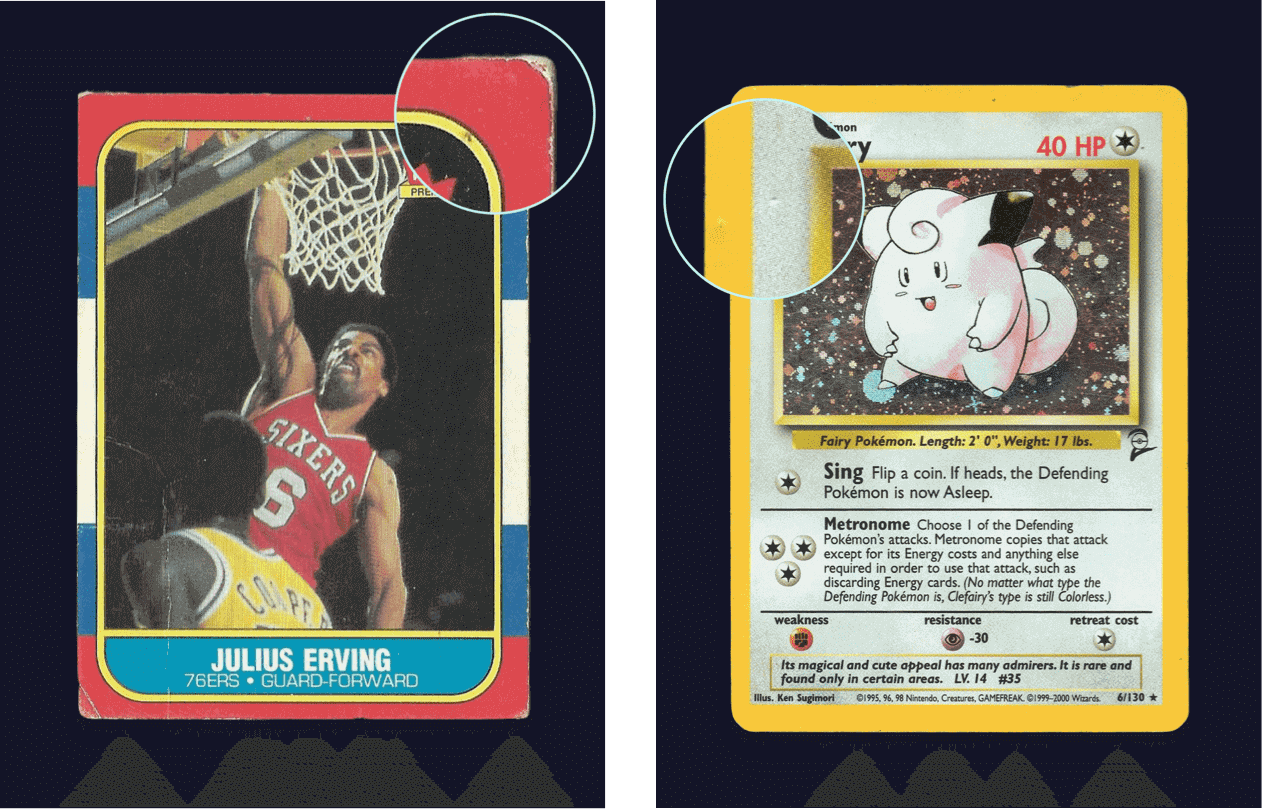
High-grade cards from PSA, Beckett, or TAG consistently outperform raw copies. On key cards, a single grade point can mean a major price difference. For collectors focused on long-term value, grading is not optional. It’s part of the strategy.
Centering, corners, edges, and surface should always factor into buying decisions, whether you’re collecting Pokémon or sports cards.
You can read more about card conditions in this article from eBay.
So, Which Is the Better Investment?
There isn’t one right answer. It depends on what kind of collector you are.
Pokémon offer higher upside, faster resale opportunities, and massive global demand, especially when it comes to early and rare cards.
Sports cards offer steadier growth, clearer scarcity, and value rooted in athletic history.
Many experienced collectors hold both. A few strong Pokémon pieces alongside key sports cards can spread risk and keep options open.
At the end of the day, the best investment isn’t a category. It’s knowing what you’re buying, why you’re buying it, how long you’re willing to hold it, and more importantly… your emotional attachment to the card.
Disclaimer: This blog post is not intended to be used as financial advice. This blog post is purely research-based, and we recommend doing your own research when it comes to buying cards as an investment.

