

Every March, 68 teams enter the tournament. Only one wins. But for card collectors, the real game starts before the first tip-off.
68 teams. Thousands of players. Three weeks of the most chaotic, high-stakes college basketball you'll see all year. March Madness doesn't follow scripts. Neither does the card market during tournament season.
Whether you've been collecting for years or you're just starting to pay attention to tournament cards, the window between Selection Sunday and the championship is one of the most active and most misunderstood stretches in the hobby calendar. Prices swing fast, new names surface overnight, and if you're not paying attention, you'll either buy too late or hold too long.
The Collector’s Guide to March Madness: Navigating the Tournament Hype
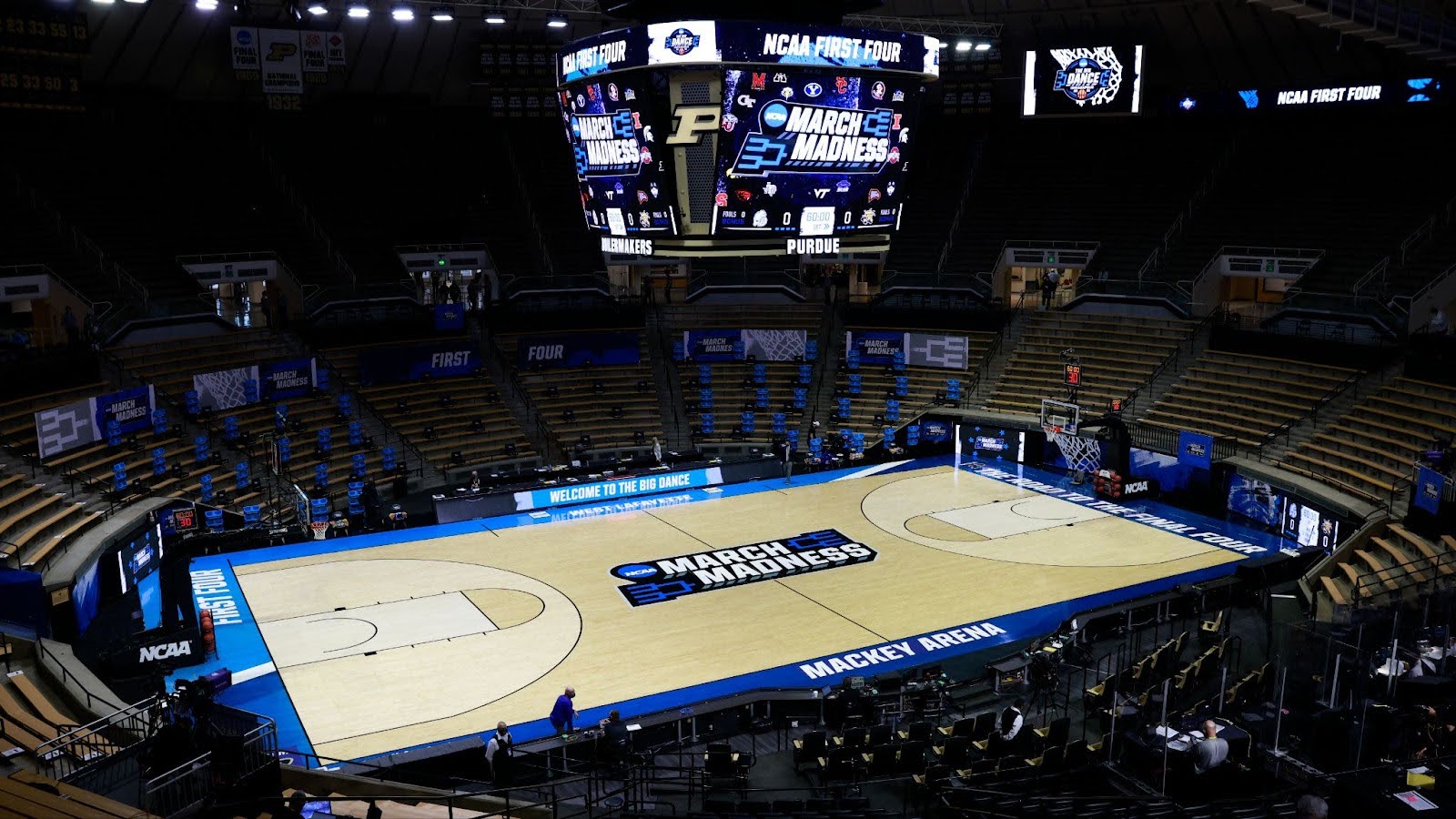
The Spotlight Effect: Why Card Prices Spike in March
College basketball doesn't have the same sustained card market as the NBA. Most college players matter to collectors only after they've declared for the draft and started building a pro career. But the tournament changes that, temporarily and intensely.
When a sophomore, nobody on anyone's radar, drops 34 points in an upset win, collectors notice immediately. Suddenly, fans who had never searched his name are on eBay and COMC. His prospect cards, the ones sitting forgotten in dime boxes, start getting pulled and relisted at multiples of what they were worth 48 hours ago.
This is the spotlight effect. It's fast, it's consistent, and it shows up every single March. The harder question isn't whether it happens, it's which players are worth holding beyond the hype cycle.
Enjoying this? There's a quiz at the end to test your knowledge with $100 Repackz Credit up for grabs — winner announced March 25.
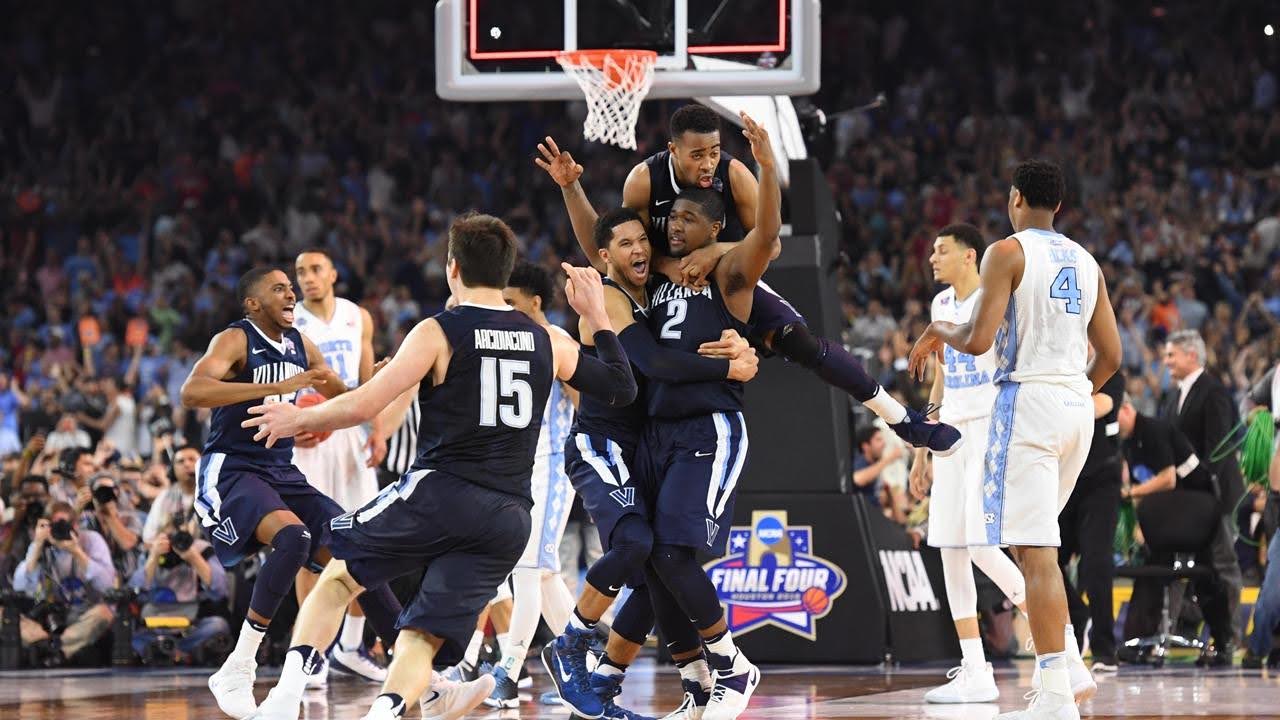
Mid-Major Breakouts vs. Lottery Prospects: Where is the Value?
Not every tournament breakthrough translates into real card value. These are the four categories worth understanding:
Lottery prospects who deliver on their hype: A top-10 projected pick who validates his stock with a dominant tournament run creates durable appreciation. The draft position was already there; the tournament just confirmed it for a national audience. These are the safest plays in the March market.
Mid-major breakouts: A scorer from a school nobody follows going nuclear in an upset game is one of the most exciting moments in the hobby each year. It's also one of the most dangerous. If that player isn't a legit NBA prospect, his cards will crater the moment he goes undrafted or slides to the second round. Treat these as short-term plays only.
Final Four names: Players who become synonymous with a deep run carry nostalgic premiums for years, especially if they go on to have any kind of NBA career. The tournament narrative sticks. Collectors who were around for those moments keep coming back to those cards.
One-game heroes: The role player who hits back-to-back threes in an upset and suddenly has his name trending, this is almost always a trap if you're buying in after the game. The window to profit is a matter of hours. If you're already holding, great. If you're chasing, you're buying at the top.
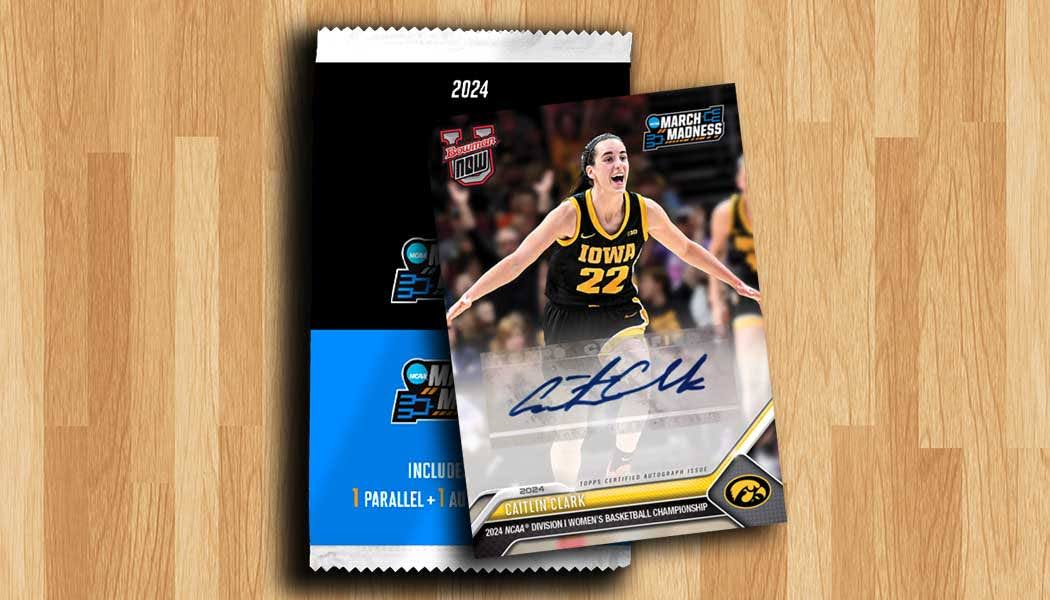
Bracket Culture Drives Eyeballs, Eyeballs Drive Prices
It's estimated that 60-100 million Americans fill out NCAA tournament brackets (official online entries + paper entries) each year. That's tens of millions of casual fans who suddenly care about college basketball players they've never paid attention to before.
Bracket culture creates emotional investment in specific teams and players. That investment occasionally spills into the hobby, people browse cards, make impulse purchases, or get back into collecting after years away. These buyers don't operate the way experienced collectors do.
For collectors who've done their homework, this creates a real opportunity. Casual interest inflates prices during a team's run. Once they're eliminated, those buyers disappear, and prices soften. If you believe in a player's NBA upside, that post-elimination dip is sometimes the best entry point of the year.
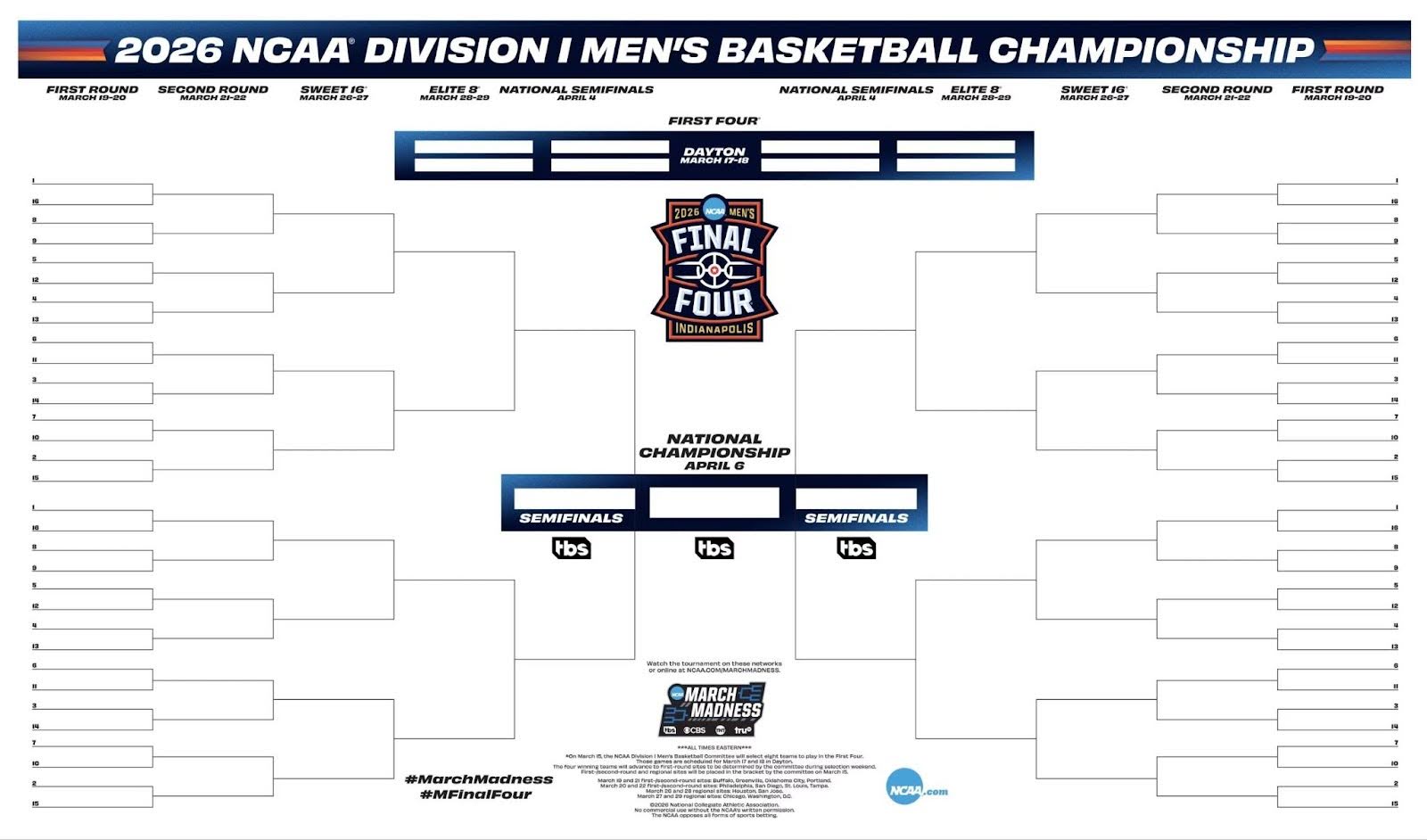
How to Play the Market: Pre-Tournament, During, and After
Before the tournament: This is where the work happens. Identify the top NBA prospects in the field, specifically lottery-projected players who might benefit from a strong showing. Build small, quiet positions in their cheapest base RCs and prospect cards before the bracket drops. Nobody is paying attention yet. That's the point.
During the tournament: Watch the games and check the secondary market after big performances. Prices can move within hours of a breakout game. If you got in early, decide whether the new price is a selling opportunity or whether the player's long-term upside justifies holding. If you're thinking about buying into a buzz play, be honest with yourself: Is it merit-based, or is it FOMO?
After the tournament: The week after elimination is usually when prices correct. Cinderella players without NBA upside see their cards come back to earth fast. Long-term value plays sometimes dip temporarily in the post-tournament noise, creating better entry points for patient collectors. Final Four narratives carry a longer tail; those cards tend to hold soft premiums for years.
The Risks Are Real
Mid-major legends without a professional future see their cards crater quickly, sometimes within days of the draft, when an undrafted result confirms what the market suspected but ignored during the hype. Modern card products print heavily, so a sudden spike in demand often gets absorbed by existing supply faster than you'd expect.
The timing window on hype plays is brutally short. Forty-eight hours is often the whole window, and here's what that actually means in practice: by the time a breakout performance has been clipped, shared, and written up, casual buyers have already found the card. If you're seeing the buzz on social media, you're probably already late. Buying at hour 49 usually means buying at the top, holding through the correction, and selling at a loss to someone more patient.
Injury risk matters too. Tournament basketball is physical. A notable player going down changes the calculus immediately, and unlike the NBA, there's no next season to recover narrative value.
The tournament is one of the most exciting times in the hobby all year. It's also one of the easiest times to make impulse moves you'll regret. Have a thesis for every card you buy, and know in advance whether you're buying for the short-term spike or the long-term hold.
Moments That Defined the March Madness Market
Steph Curry's 2008 run created sustained early demand for his pre-RC and college cards years before his NBA career took off. Collectors who recognized what they were watching and built positions quietly were rewarded for a long time after. His 2009-10 Exquisite Collection Stephen Curry RC #64 Autograph /225 was selling on the secondary market in 2009 for $300 to $500 — fast forward to 2026, and a PSA 10 sells for $13,000 and upwards! Considering it has a pop of 225, it's one of the most sought-after Curry rookie cards out there
Kemba Walker's 2011 UConn championship run made him a household name overnight. Early buyers did well as his career developed. Compare that to tournament stars who flamed out as pros, a great three-week run in March doesn't bridge a real gap in NBA-level ability, and the market figures that out quickly.
The pattern holds year after year: the tournament surfaces character and competitiveness under pressure. The market rewards players whose performance lines up with real professional upside, and it punishes blind hype reliably.
The tournament doesn't create value. It reveals it, then temporarily inflates it. Knowing which is which, that's the whole game.
Build your positions before the bracket drops. Let the casual buyers do what casual buyers do. Then decide whether you're selling into the noise or holding through it.
Keep a tab open on the secondary market while you watch the games. The madness runs deeper than the hardwood.
Think you know the March Madness card market?
Take our quiz below for a chance to win $100 Repackz Credit. If you answer all 10 questions correctly, you will be entered into a raffle — winner announced March 25.
Click to Take The March Madness Quiz
As always, the hobby is best enjoyed with eyes open.
This post is for educational purposes only and does not constitute financial advice. Always do your own research before purchasing cards. We are not liable for any financial decisions made based on this content.

