

Somewhere right now, a kid is tearing open a pack of Pokémon cards, hoping to pull a single card worth more than their parents' car. A collector just paid $11 million for one baseball card. And a plush monster called Labubu — the kind people clip onto a handbag — has sold for five figures at auction. Welcome to collecting in 2026, where the line between "toy" and "asset" has all but vanished.
This isn't your grandfather's stamp album. The hobby has exploded past cards and coins into designer toys, sealed video games, vinyl, retired LEGO, and even the beat-up digital camera in your junk drawer — and it's pulling in a whole new generation that treats collections like portfolios and shelves like personality. Money is pouring in, records fall almost monthly, and what's white-hot can go cold in a matter of weeks.
The fastest way to ruin a new collection is to lose track of it. Whatever you decide to collect, start by cataloging what you pick up, and let real market data — not hype — tell you what's worth keeping, grading, or chasing next. Collectibles.com lets you scan, organize, value, and showcase any collection in one place, so a fun hobby never becomes a shoebox of question marks. — Collectibles.com
So what's actually worth chasing right now? We dug through the current data — index gains, auction results, grading volumes, and resale trends — to rank the 10 trendiest things to collect in 2026, counting down from #10 to the single hottest category of the year. Every pick comes with what's driving it and how to get in, and we close with the categories quietly cooling off — because knowing what's fading is just as valuable as knowing what's hot.
10. Sneakers
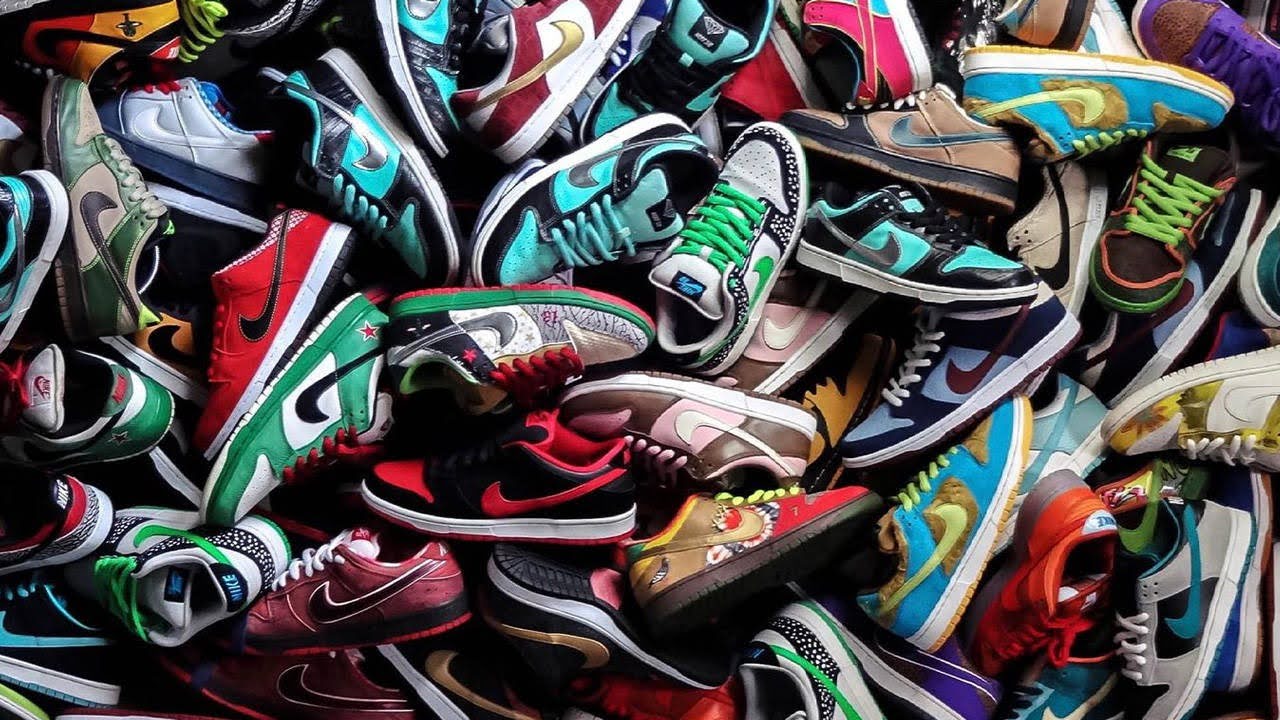
Limited-edition and collaboration sneakers are the original modern collectible, and they remain one of the largest secondary markets in the world. The top of it is staggering: in 2024, a set of six game-worn Air Jordans — one from each of Michael Jordan's six championship seasons, the "Dynasty Collection" — sold at Sotheby's for $8,032,800, a Guinness World Record for sneakers. That ceiling runs almost entirely on provenance: game-worn, photo-matched pairs with an airtight chain of custody are what command seven figures, not hype releases. Below the record books, the everyday market runs on limited drops and collabs — Jordan, Yeezy's successors, and designer tie-ups like Fragment and Virgil Abloh's archive, where a $140–$230 release can resell for $600–$900 within days. Sneakers land at #10 not because they're small, but because they're a mature, established pillar rather than a surging 2026 trend.
Getting in: deadstock (unworn) condition and verified authenticity are essential — the resale market is enormous, but so is the counterfeit market.
Image: Collectible limited-edition sneakers — credit: The Sole Supplier
9. Comic Books
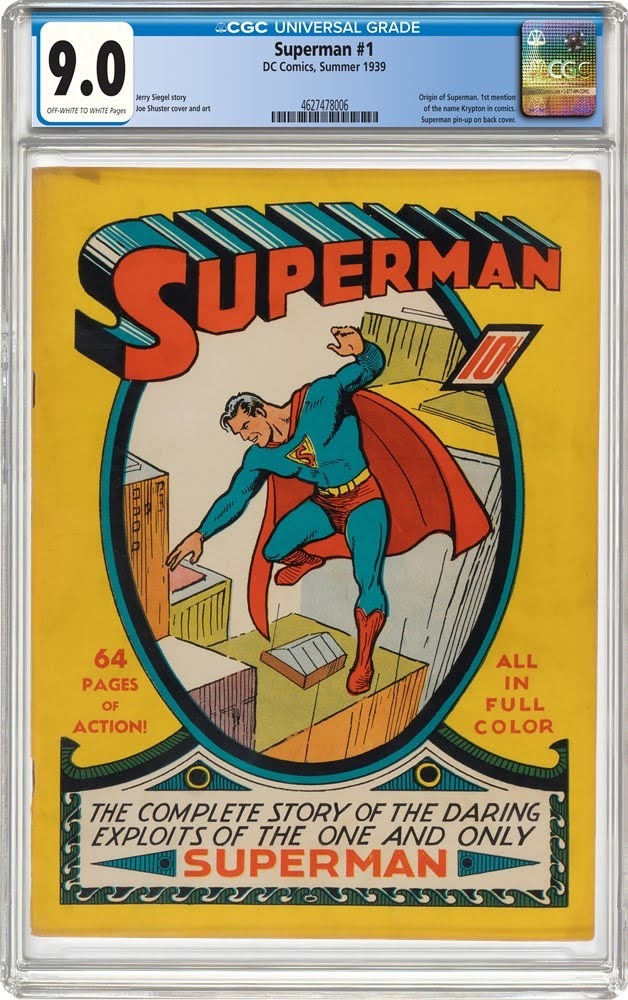
Comics remain a cornerstone of collecting, and the ceiling just moved: a 1939 Superman #1 sold for $9.12 million at Heritage Auctions in November 2025 — the most ever paid for a comic — after turning up in a California attic. But the real 2026 action is in first appearances tied to film and TV, where a single Marvel or DC adaptation announcement can spike the relevant first-appearance issue 30–80% within weeks. You don't need a seven-figure grail to play: accessible modern keys are hot right now, like New Mutants #98, the first appearance of Deadpool, where a high-grade CGC 9.8 copy trades around $1,500 and climbing. Across the board, the value lies in high-grade, professionally slabbed first appearances with documented provenance — the rest of the long box is mostly worth the cover price.
Getting in: grade and first appearances drive everything — a slabbed, high-grade key issue is the blue chip of the category.
*Image: Graded key-issue comic books — credit: CGC8
8. Game-Used Sports Memorabilia
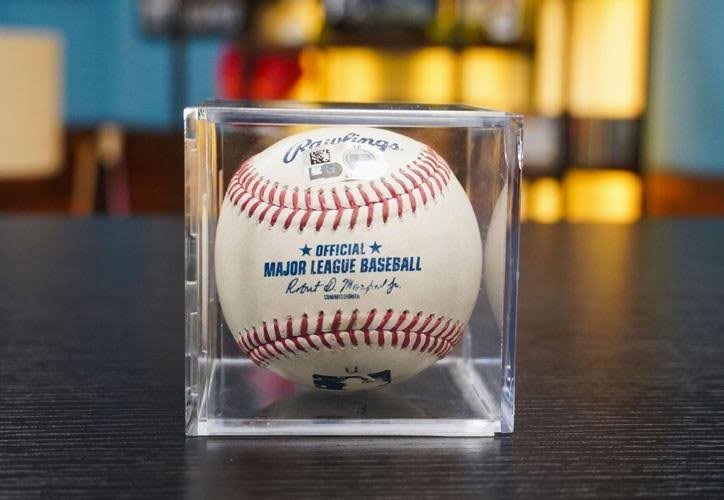
Actual game-used gear tied to a specific historic moment is drawing record money — and it sits at the very top of the entire collectibles world. The ceiling is a piece of memorabilia, not a card: Babe Ruth's 1932 World Series "called shot" jersey sold for $24.12 million at Heritage in 2024, the most expensive sports collectible ever. Today's global superstars are driving the modern market just as hard — Shohei Ohtani's 50/50 home run ball sold for $4.39 million (the most ever paid for a baseball) and his single-game World Baseball Classic jersey brought $1.5 million, with demand from Japan at an all-time high. The catch is authentication: value at this level lives and dies on photo-matching and league certification (the Ruth jersey was matched by multiple third parties before its sale), and the very top is concentrated on a handful of icons, which is why it ranks just below the broader trends.
Getting in: provenance is the whole game — look for league authentication, photo-matching, and a clearly documented moment.
Image: Shohei Ohtani's 50/50 home run ball sold for $4.39 million — credit: ABC12
7. Retired LEGO Sets
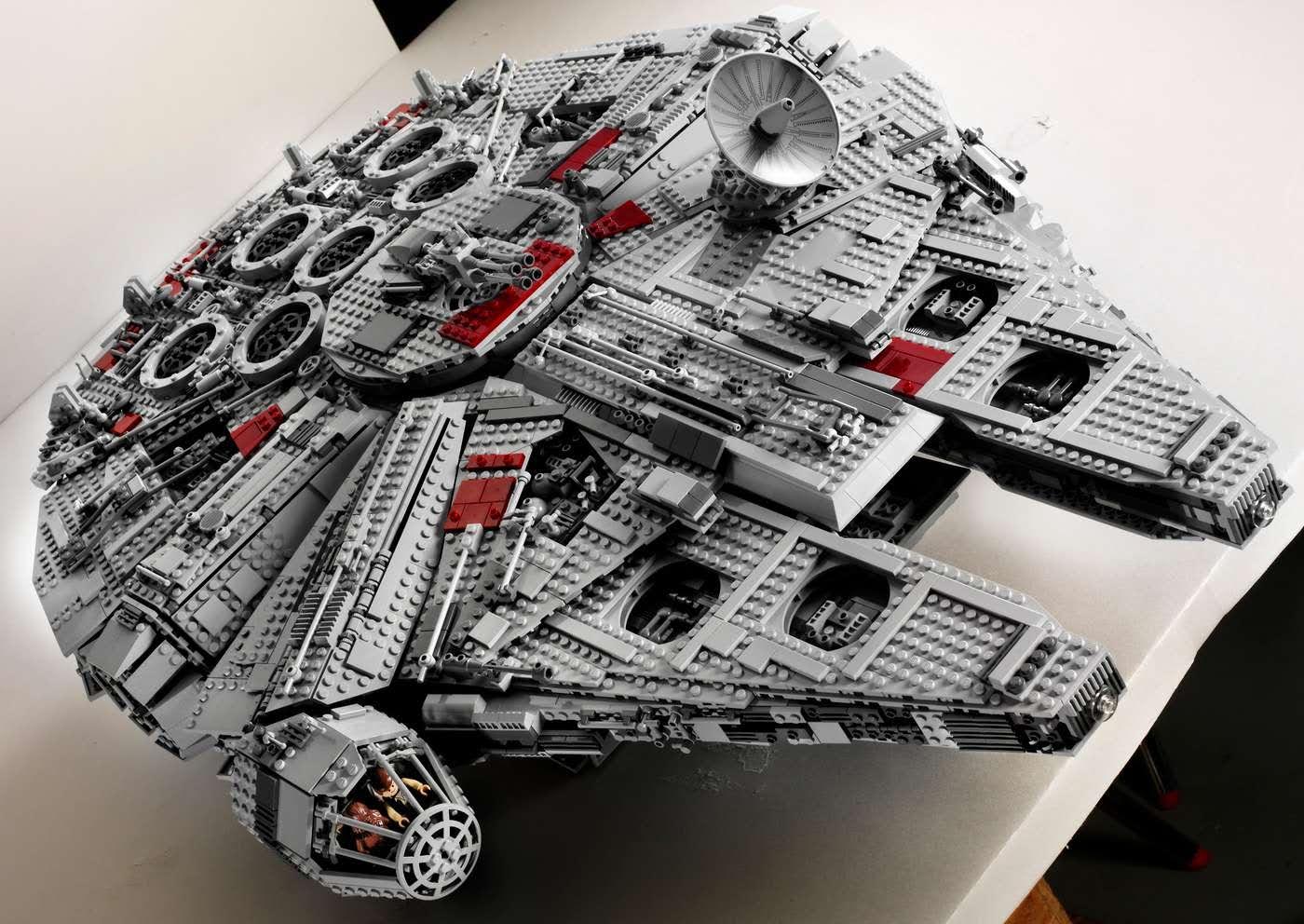
Sealed LEGO sets — especially large display builds and licensed Star Wars, Harry Potter, and Nintendo sets — have become a legitimate alternative-asset category. The poster child is the original 2007 Ultimate Collector Series Millennium Falcon: it retailed for about $500 and now trades sealed for around $5,000, roughly 10x. Its successor, the current $850 UCS Falcon, is one of more than 90 sets LEGO has scheduled to retire by the end of 2026 — and collectors are buying now in anticipation. Temper expectations, though: studies peg retired sets at roughly 10–15% annual appreciation on average, and most never become the Falcon. The gains concentrate in flagship builds and the sold-out Modular Buildings (the 2007 Café Corner now runs several times its retail price).
Getting in: sealed sets in high-demand themes hold value best — but only buy sets you'd also genuinely enjoy building.
Image: Retired collectible LEGO sets — credit: LEGO
6. Y2K & Vintage Tech (Digital and Film Cameras)
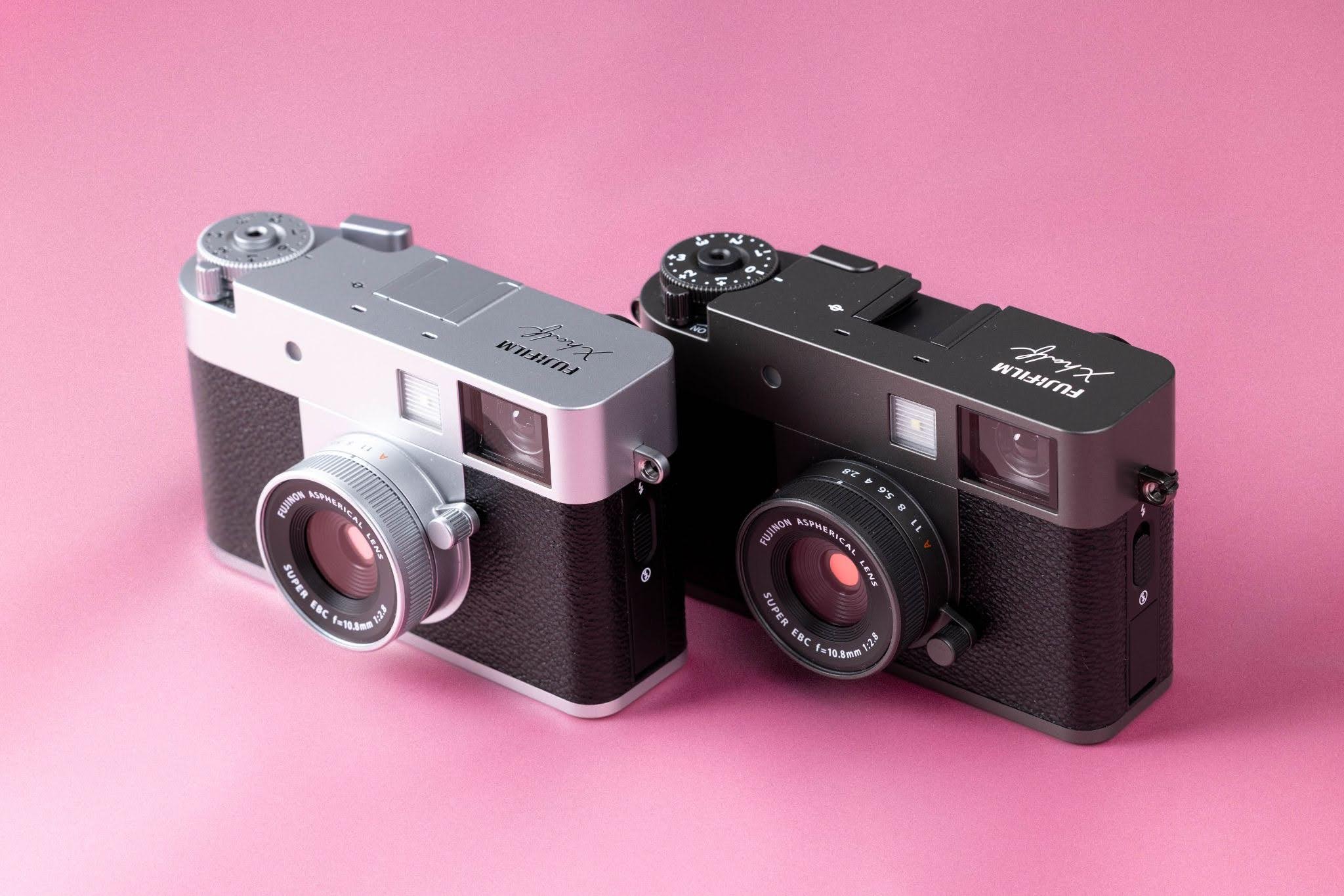
Gen Z's "aesthetic nostalgia" for a pre-smartphone world has turned early-2000s digital point-and-shoots and film cameras into surprise collectibles — prized for the grainy, flash-blown "CCD look" that reads as charmingly vintage next to a modern iPhone. It's one of the freshest, most social-media-driven trends on this list, fueled by TikTok and influencers from Bella Hadid to Charli D'Amelio. Certain lines have hit cult status: Canon's PowerShot Elph and G-series (a G9 now runs $150–$250 and up), Sony's slim Cyber-shot compacts, and the original Sony RX100, a genuine digicam "holy grail." The catch — and the opportunity — is that many of these were nearly worthless a few years ago and have climbed fast, so bargains still exist if you move before a model goes viral.
Getting in: working conditions and the right retro "look" drive value here — and prices on once-worthless digicams have climbed fast, so buy before a given model goes viral.
Image: Vintage Y2K digital and film cameras — credit: MPD
5. Vinyl Records & Cassettes
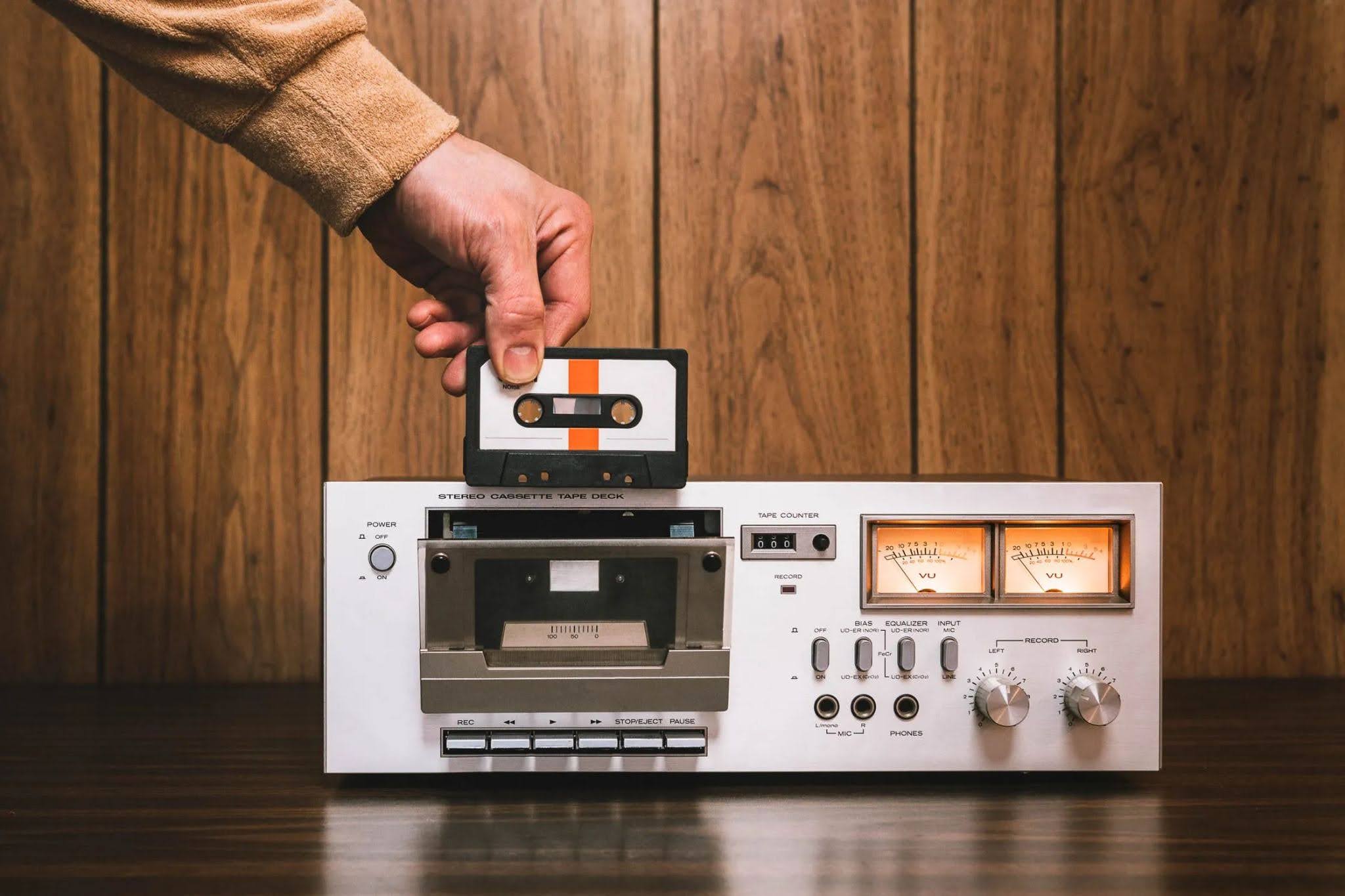
The physical-media revival is one of the most durable trends in collecting. US vinyl sales topped $1 billion in 2025 — an 18th consecutive year of growth, with Gen Z leading the charge — and cassette tapes are staging a genuine comeback, with sales up roughly 200% in a year. Superstars like Taylor Swift now treat physical releases as premium collectibles, issuing multiple color variants and exclusives that fans chase on release day. At the top, grails are staggering: Ringo Starr's personal copy of the Beatles' White Album — the very first numbered pressing, #0000001 — sold for $790,000, and Elvis Presley's first-ever acetate went for $300,000 to Jack White. But a reality check matters here: most old records aren't rare, even from artists who sold millions. Value concentrates in first pressings, limited color variants, withdrawn covers, and sealed originals — and the condition of both the disc and the sleeve can swing a price by a factor of ten.
Getting in: limited and colored-variant pressings and clean vintage originals hold value best, and the condition of both the record and the sleeve is critical.
Image: Vinyl records and turntable — credit: Wired
4. Retro & Sealed Video Games
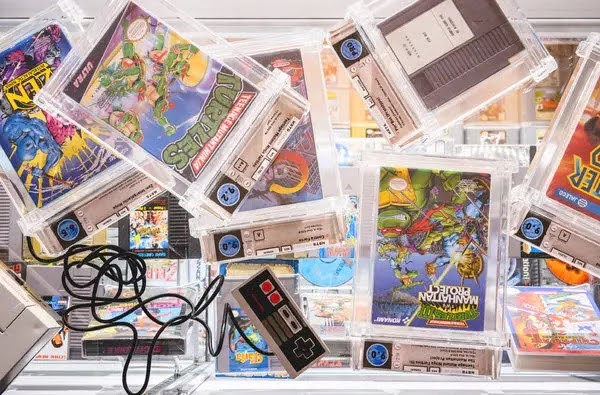
Factory-sealed and graded classic games — NES, SNES, N64, Game Boy — are red-hot at the very top: a sealed Super Mario Bros. sold for $3 million in June 2026, the first game ever to reach that mark, and the rarest grails go even further (a gold Nintendo World Championships 1990 cartridge, one of only about a dozen surviving, is considered the "holy grail" of the hobby). But this is a sharply two-tier market — after the 2021 frenzy, prices for common graded games fell hard, and an ordinary sealed Super Mario Bros. changed hands for around $26,000 in early 2026, a fraction of the headline number. The healthier, more accessible story is nostalgia: the generation that grew up on these consoles is buying its childhood back, lifting demand for retro consoles, complete-in-box games, and handhelds you can actually find for two or three figures.
Getting in: the record prices belong to sealed, top-grade rarities, while common loose cartridges stay cheap — so condition and third-party grading are everything.
Image: Sealed and retro video game cartridges — credit: The New York Times
3. Modern Sports Cards
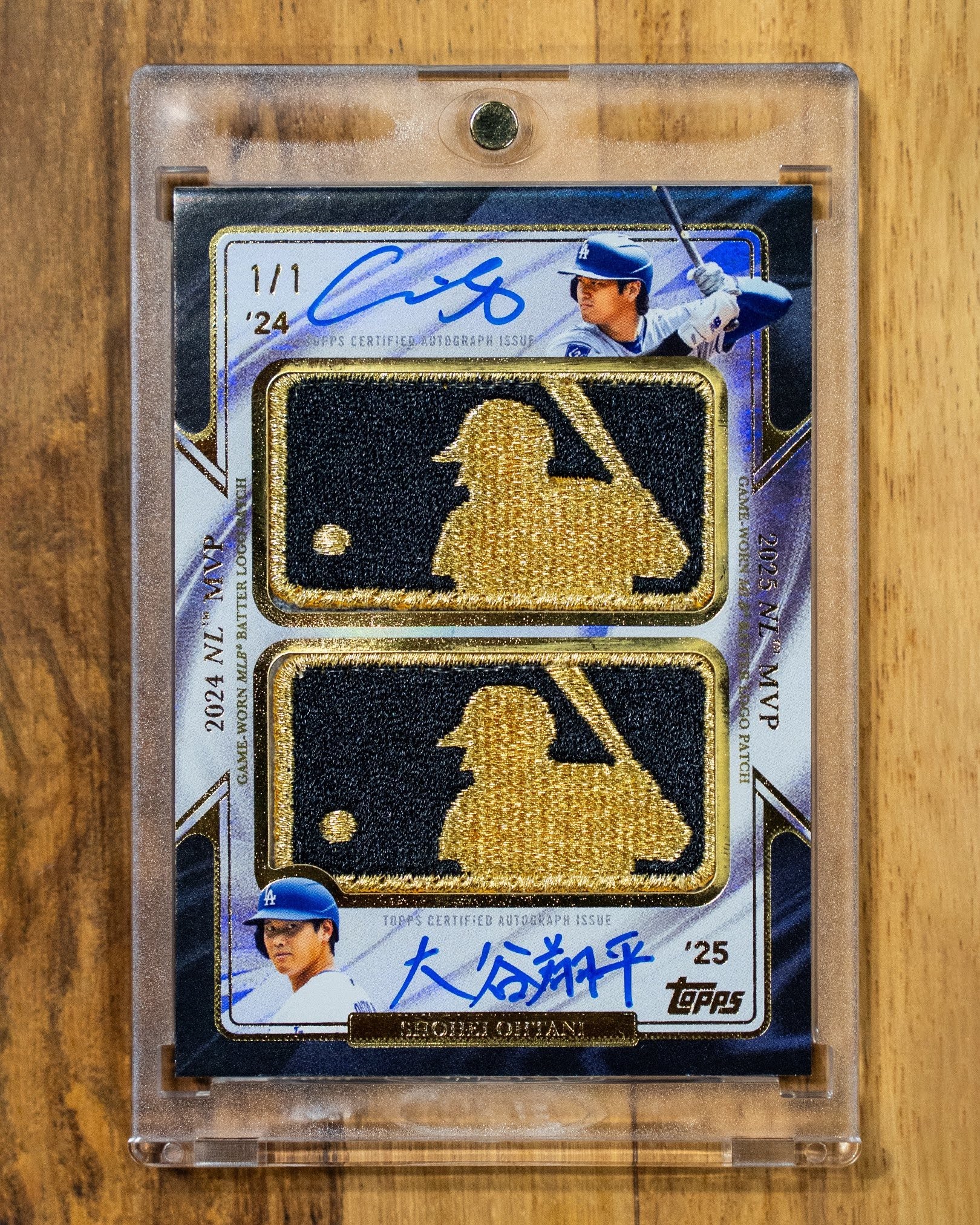
Modern sports cards are booming, and the market has consolidated under Fanatics — now the exclusive card licensee for MLB, the NBA, and, as of 2026, the NFL. The category runs from pocket-change base cards to eight-figure grails, and the ceiling keeps climbing: at the top sit the 1-of-1 patch autographs featuring the game-worn "Logoman" logo, like the Shohei Ohtani card that sold privately for $11 million in 2026, while Aaron Judge's 1-of-1 rookie Superfractor changed hands for $5.2 million. Between those extremes, the everyday action is in rookie cards of the game's biggest young stars — a Victor Wembanyama or a first-year phenom's low-numbered parallels can spike on a single breakout performance. The demand is deep and global, spanning baseball, basketball, and football, which is what keeps this one of the most liquid categories in the entire hobby.
Getting in: whichever end you play, the 1-of-1s and low-numbered parallels of genuine stars hold value best — and grading is non-negotiable.
Image: Modern sports trading cards, including a 1-of-1 patch autograph — credit: Topps
2. Blind-Box Designer Toys & Collectible Plush
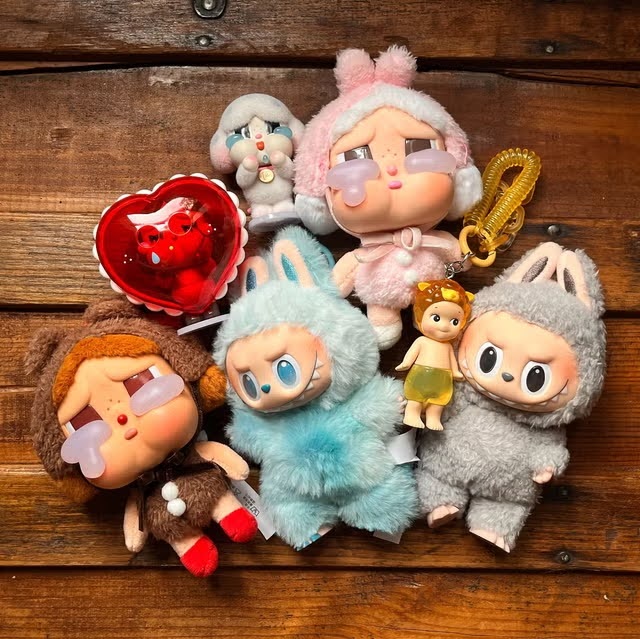
Pop Mart's "blind box" figures — you don't know which one you got until you open it — turned into a global craze led by the ugly-cute Labubu, with rare pieces selling for five figures at auction. Labubu itself is now past its frenzy, but the category is very much alive: demand is rotating toward newer characters like Crybaby, and collectible plush more broadly (think Jellycat) is one of 2026's fastest risers, as buyers shift from hard vinyl toward soft, emotionally-driven designs. A few things are hotter with new and younger collectors right now.
Getting in: It's a real global category now, but treat any single hot figure as trend-driven — collect designs you'd be happy to keep even if resale cools.
Image: Pop Mart Labubu and blind-box designer figures — credit: Best Products
1. Pokémon Cards (and the Wider TCG Boom)
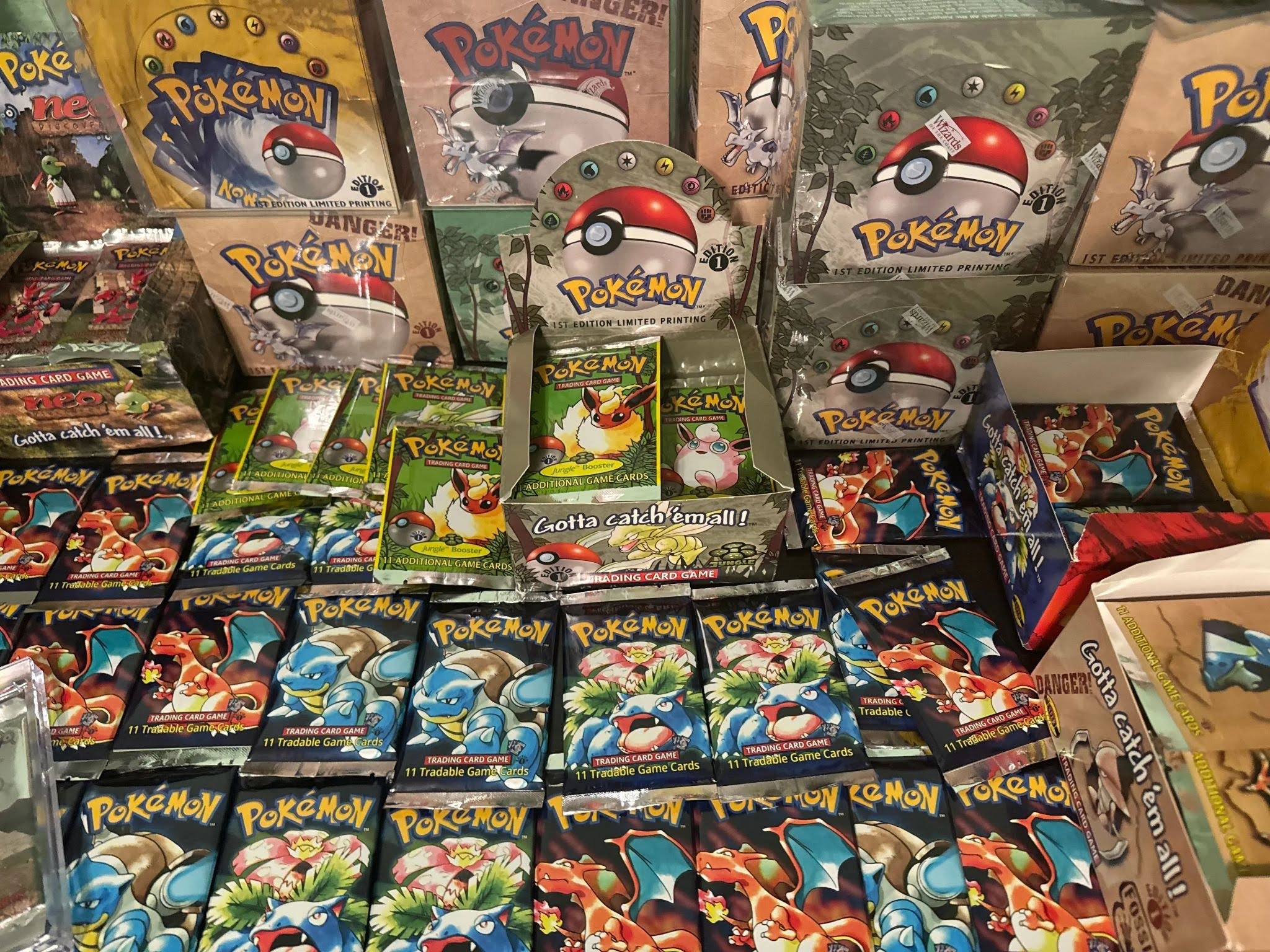
The single hottest thing in collecting. Trading card games lead the entire hobby, and Pokémon leads them by a mile — Card Ladder's Pokémon index climbed roughly 116% over the past year, average cards rose about 46%, and top chase cards posted 200–500% gains. 2026 is the franchise's 30th anniversary, with commemorative sets and promos expected to push prices even higher, just as the 25th did. And it isn't only Pokémon: Magic: The Gathering's crossover and collaboration sets and the fast-rising One Piece Card Game both have their own surging, devoted followings. No category combines this much money, momentum, and mainstream reach.
Getting in: sealed modern product and graded chase cards move fastest — but be wary of hype spikes that can fade within weeks.
Image: Vintage Pokémon sealed booster packs and boxes — credit: Steelwings
What's Cooling Off
Not everything is rising, and a smart collector watches both directions — because the same flight-to-quality that's minting records at the top is quietly deflating the categories that ran on pure hype.
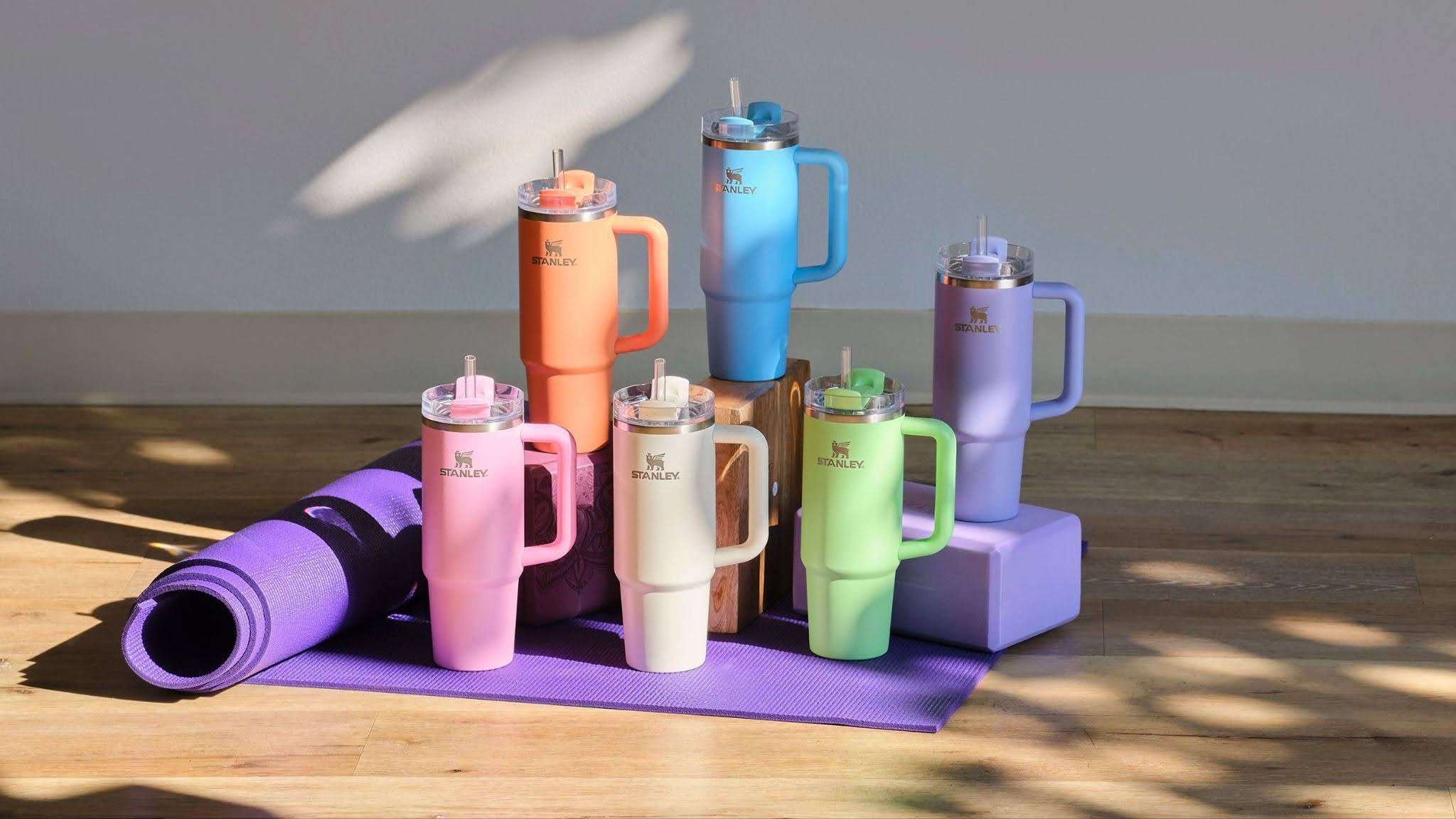
The clearest example is viral drinkware: the Stanley Quencher frenzy that once had people camping outside Target has faded, with Stanley's direct-to-consumer sales reportedly down about 20% in 2025 and Owala's FreeSip overtaking it as the "it" cup. Mass-market Funko Pops have softened too — parent company Funko's net sales slipped to roughly $908 million in 2025 from over $1 billion the year before, and value now clings only to rare, vaulted, or exclusive figures rather than the common ones stacked on retail shelves.
The correction reaches serious collectibles as well. The luxury watch market has cooled and largely stabilized after its 2021–2022 peak; it's still a rewarding field, but buyers have turned noticeably more discerning about originality and provenance, and the days of nearly any steel sports watch flipping for an instant premium have passed. Classic cars tell the same story: Hagerty's broad Collector Car Market Rating slid to a near-15-year low in early 2026, with the mass-market middle softening even as a handful of blue-chip cars keep breaking records. And even Labubu, still the face of the blind-box craze, is past its peak frenzy, with demand rotating toward newer characters.
None of these are "dead" — but for now, chase them for enjoyment, not quick appreciation.
Before You Dive In
A few ground rules make any of these trends more rewarding and less risky. First, collect what you genuinely like — the trendiest name can cool overnight (just ask a Stanley Cup), but a collection you love is never a bad buy. Second, remember that condition, rarity, authentication, and provenance decide value in every category on this list; a pristine, verified example can be worth many times a common one. Third, be skeptical of viral spikes — the hottest card, toy, or figure often crashes within weeks, so patience usually beats FOMO.
And whatever you chase, keep track of it. The collectors who do best aren't the ones buying the most; they're the ones who know exactly what they own, what it's worth, and where the market is headed.
Ultimately, never been a more exciting time to start collecting. The categories heating up in 2026 span nearly every interest and budget — from a $22 blind-box figure to a seven-figure trading card — and a whole new generation is proving that almost anything, cared for and understood, can become a collectible worth having.
Wherever you decide to start, the fundamentals are the same: know what you have, know what it's worth, and collect what you love. Collectibles.com is built to make that effortless — scan, organize, value, and showcase any collection in one place, and track what the market is really doing, alongside a community that shares the obsession.
Download our IOS App
Download our Android App

Frequently Asked Questions
What is the trendiest thing to collect in 2026?
Pokémon and trading card games top the list, driven by a booming index, the franchise's 30th anniversary, and unmatched mainstream reach. Blind-box designer toys and modern sports cards round out the top three.
What's a good collectible for a beginner?
Accessible entry points include Pokémon singles, blind-box figures, vinyl records, and LEGO sets — all have affordable starting tiers. Pick something you actually enjoy, and pay attention to the condition from day one.
Are collectibles a good investment in 2026?
The market is booming but volatile, and value has concentrated in the rarest, best-condition items. This isn't financial advice — the healthiest approach is to collect what you love and treat any appreciation as a bonus.
Which collectibles are cooling off in 2026?
Several once-hot categories are correcting: Stanley-style viral drinkware, mass-market Funko Pops, classic cars, and the luxury watch market (now stabilized after its recent peak). Even Labubu, while still popular, is past its frenzy — though the wider blind-box and plush category is still growing.
How do I know if something is actually worth collecting?
Look for four things: condition, rarity, verifiable authenticity, and genuine ongoing demand. Tracking real market data — rather than social-media hype — is the best way to tell a lasting trend from a fad.
Disclaimer: All content on Collectibles.com and shared publicly is for educational and informational purposes only and does not constitute investment, financial, tax, or legal advice. Collectibles.com and its partners are not registered investment advisors. Investing in collectibles carries a high risk of loss, including total loss of principal, and is speculative and unsuitable for many investors. Past performance is no guarantee of future results. Always consult qualified professionals before making decisions. No recommendations or solicitations are intended.

