

The most collectible Y2K toys are no longer a punchline — they're a market. The kids who grew up between roughly 1998 and 2005, clutching a Furby or chasing a Bionicle mask, are now in their peak earning years, and they're buying their childhoods back one sealed box at a time. The result is a turn-of-the-millennium nostalgia boom where a $20 toy can quietly become a four-figure asset and where a gold LEGO piece donated to a thrift store can sell for the price of a car.
Nostalgia gets you to open the box; condition is what gets you paid. The same rule that governs vintage cards and fine art governs your childhood toy bin — the difference between a $5 Furby and a $4,000 one is almost always whether it's sealed, which variant it is, and whether you can prove it. Before you sell (or celebrate), find out exactly what you've got. — Collectibles.com
Here's the catch this guide won't let you forget: most Y2K toys are worth exactly what you'd expect — not much. Value in this category is brutally specific. It lives in sealed packaging, unused codes, rare colorways, and the handful of promotional pieces that were never toys at all. Below are the ten most collectible Y2K toys heading into 2026, ranked from the attainable to the absurd, with the exact tell that separates the valuable version from the common one.
The Collector's Lens: What Makes a Y2K Toy Valuable
Every toy on this list is judged the way serious collectors judge anything — by the Big Three. Run yours through the same filter before you get excited.
- Condition. A sealed, boxed example beats a loose one every time. In Y2K toys, "condition" also means completeness (every tiny Polly Pocket accessory) and unused extras (a Webkinz code that was never redeemed). A mint-in-box example can be worth 10 to 100 times a played-with one.
- Rarity. Mass-produced toys stay cheap no matter how nostalgic you feel. Real value clusters around promotional pieces, contest prizes, canceled variants, first editions, and retired colorways — the things that were hard to get then.
- Provenance. Can you prove what it is? Original packaging, certificates, and — for the rare stuff — third-party grading are what separate a hopeful listing from a real sale. The most famous Y2K toy story of the decade turned on a stranger correctly identifying a gold LEGO mask.
Know the toy world's grading standard, too. Just as PSA professionalized cards, the Action Figure Authority (AFA) is the grading service that now anchors high-end toy value. AFA grades only factory-sealed items — even double-taping disqualifies a toy — then seals each one in an acrylic case and assigns a numeric grade. A meaningful value bump generally kicks in at grades of 85 or higher. The premium is concrete: a sealed, mint-in-box Transformers G1 Astrotrain worth around $600 roughly doubles to about $1,100 once it's AFA-graded. For the top of this list, "sealed" and "AFA-graded" are fast becoming the same conversation.
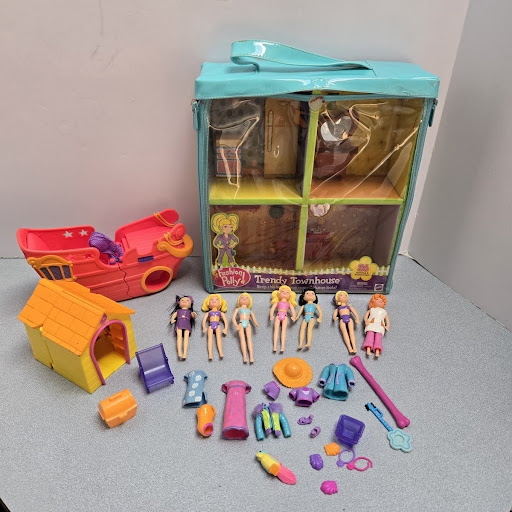
10. Polly Pocket — Know Your Era (Bluebird vs. Mattel)
Typical value: $50–$300+ for complete, mint Bluebird sets; the rarest reach into the thousands
Bluebird Toys made the original Polly Pocket, producing the beloved palm-sized compacts until Mattel acquired the brand in 1998 and later relaunched it around the turn of the millennium as a bigger doll line with rubber clothes. That history is the whole collector lesson: the genuinely valuable Pollys are the small Bluebird-era compacts. By contrast, the larger Y2K Mattel relaunch dolls are the common, low-value version most people owned. And because those microscopic figures and accessories vanished within weeks, a complete compact is genuinely scarce.
The identifier: Flip it over. A "Bluebird Toys" stamp on the base marks the collectible era, while a "Mattel" stamp and a larger overall size mark the common relaunch.
Why it's collectible: Extreme vulnerability to incompleteness makes mint, all-original Bluebird compacts rare, and the early designs are the ones collectors actively hunt.
What Collectors Should Know: A Polly Pocket's value lives or dies on the base stamp and completeness — a Bluebird compact missing one figurine can lose more than half its value.
Fig.1: 2000s Polly Pocket - image courtesy of eBay
9. Webkinz (2005)
Typical value: a few dollars loose; a strong multiple for a retired first-generation animal with an unused code
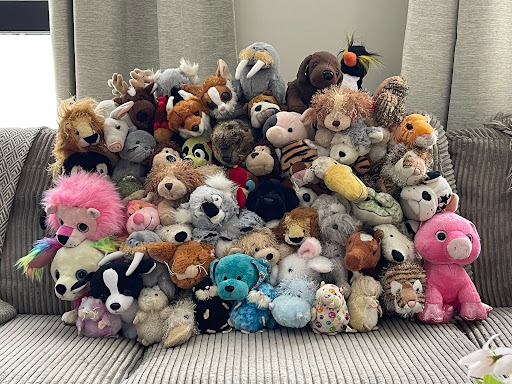
Webkinz arrived at the tail end of the Y2K window and effectively invented the "toy plus online world" model. Each Ganz plush came with a code that unlocked a virtual pet, and that mechanic is exactly why the collectible math is so strange. A loose Webkinz is worth pocket change, but a retired first-generation animal with its original, never-redeemed code can command many times that.
The identifier: The value is literally on a tag. Look for a first-generation Ganz plush with its code tag still attached and the code sticker unscratched and unredeemed — retired animals (identified by their "HM" model numbers) in this state are the shrinking supply collectors chase.
Why it's collectible: The unused code is a one-time-use digital asset — once redeemed, it's gone forever, so sealed-tag examples only get scarcer.
What Collectors Should Know: An unscratched, unredeemed code tag on a retired animal is the only version worth more than a few dollars — a clipped or used code makes it just a plush.
Fig.2: Vintage collection of Webkinz - image courtesy of Webkinz Facebook page
8. Pokémon Burger King 23K Gold-Plated Cards (1999)
Typical value: roughly $50–$200+ sealed, more for complete or top-condition examples
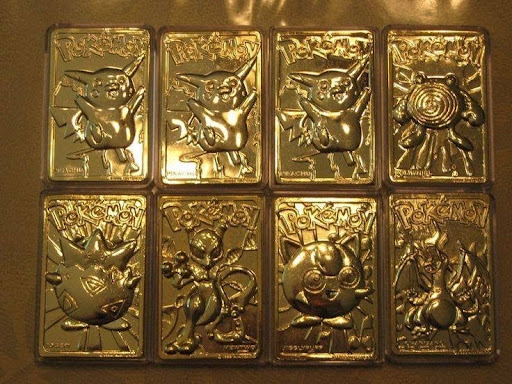
Not to be confused with the Pokémon trading card game (a category all its own), these came from a 1999 Burger King promotion: six 23-karat gold-plated cards — Charizard, Jigglypuff, Mewtwo, Pikachu, Poliwhirl, and Togepi — each sold for $1.99 with a meal starting that November. Each came with a certificate of authenticity signed by Nintendo of America chairman Howard Lincoln, sealed inside a red-and-white Poké Ball case in a blue or red box. In December 1999, the Poké Ball containers were recalled after two infants suffocated, and Hasbro added air holes to its Poké Ball toys — a grim footnote that thinned the sealed survivors.
The identifier: A genuine, full-value example still has the signed Howard Lincoln certificate sealed inside an intact red-and-white Poké Ball case, in its original blue or red box.
Why it's collectible: A sealed, era-defining promo tied to the biggest franchise of the Y2K years, with built-in provenance (the certificate) and a recall that made intact cases scarcer.
What Collectors Should Know: These are novelty promos, not tournament cards — a loose gold card without its Poké Ball case and signed certificate is worth a fraction of a sealed, complete one.
Fig.3: Full Burger King Gold Pokemon Card Set - image courtesy of a Facebook user
7. Tamagotchi (The 1997 Gen 1 and the 2004 Connection)
Typical value: common re-releases trade around $20; the rarest vintage models have reached roughly $3,000
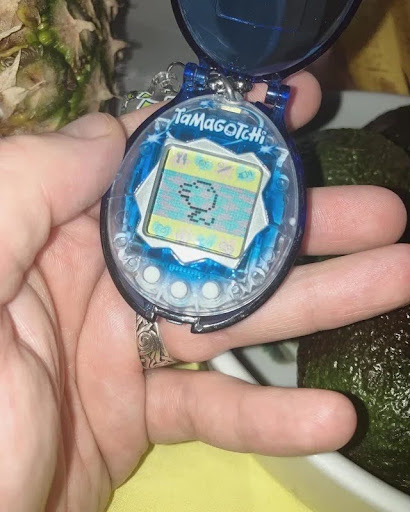
The digital pet that started it all had a massive second life in the Y2K era, when the 2004 Tamagotchi Connection reignited the craze for a new generation. Loose units are cheap and plentiful; the value is in sealed originals and uncommon shell colors, and interest keeps climbing as Bandai leans into anniversary re-releases of the iconic shells.
The identifier: A true first-generation unit is stamped "1996, 1997 BANDAI" on the back (the original P1/P2 models). That stamp — plus a sealed package and a rare colorway — is what separates a genuine Gen 1 from the endless re-releases.
Why it's collectible: A culturally iconic device with constant franchise reinforcement — sealed Gen 1 units and rare colorways are the scarce slice of a massive production run, and top sealed examples are increasingly AFA-graded.
What Collectors Should Know: Check the back for the "1996/1997 BANDAI" stamp — that marks a true Gen 1; a working loose unit is nostalgia, while a sealed Gen 1 in a rare color is the investment.
Fig.4: 2000s Original Tamagotchi connect - image courtesy of Reddit user
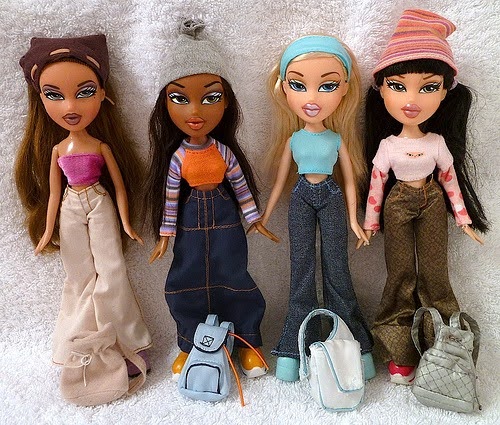
6. Bratz First Edition (2001)
Typical value: roughly $200–$600+ for sealed, mint first editions
When Cloe, Jade, Sasha, and Yasmin debuted in 2001, they rewrote the fashion-doll rulebook and became one of the defining looks of the Y2K aesthetic. That cultural weight is now collector demand — but only the genuine 2001 first editions carry it, and they're routinely confused with the 2005 re-release.
The identifier: Two tells separate the real thing from the reissue. A genuine 2001 first edition has a matte logo on the box (the 2005 re-release is holographic) and no holes on the soles of its shoes (the re-release has holes). The original MGA release also features the fully detailed first-wave outfits — the little design touches, studs, and paint that later variants dropped.
Why it's collectible: First editions of a line that defined an era's aesthetic are a classic nostalgia play, and sealed, mint originals are increasingly hard to find.
What Collectors Should Know: A matte (not holographic) box logo and smooth, hole-free shoe soles are what separate a $400 first edition from a $30 reissue — check both before you believe any price.
Fig.5: 2005 1st Edition Bratz Doll - image courtesy of Pinterest user
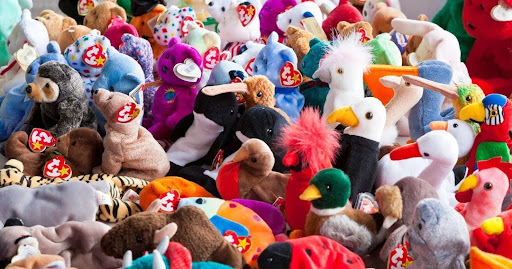
5. Beanie Babies — The Honest One
Typical value: most are worth a few dollars; a tiny minority reach the thousands
No Y2K-adjacent toy list is complete without the great cautionary tale. The Beanie Baby mania convinced a generation that every bean-filled plush was a retirement fund, and it wasn't true. The viral claim that a Princess Diana bear is worth $100,000 is a myth; the vast majority sell for pocket change. The genuinely valuable exceptions are specific first-generation tags and errors, such as the 1995 Peanut the Royal Blue Elephant, which can reach the low thousands for pristine, authenticated examples.
The identifier: Value hides in the tag generation and errors — first-generation hang tags, early tush tags, and documented manufacturing mistakes. For Peanut, the prized version is the darker royal blue (a production error), not the common lighter "light blue" release.
Why it's collectible (sometimes): A handful of true first-generation and error variants are legitimately scarce, but the category is defined by overproduction, which is exactly why almost all of them are worthless.
What Collectors Should Know: Ignore the viral price myths — only specific first-gen tags and documented errors (such as the royal-blue Peanut) have real value, and authentication is non-negotiable before you believe any high number.
Fig.6: Late 90s Beanie Babies - image courtesy of Reddit user
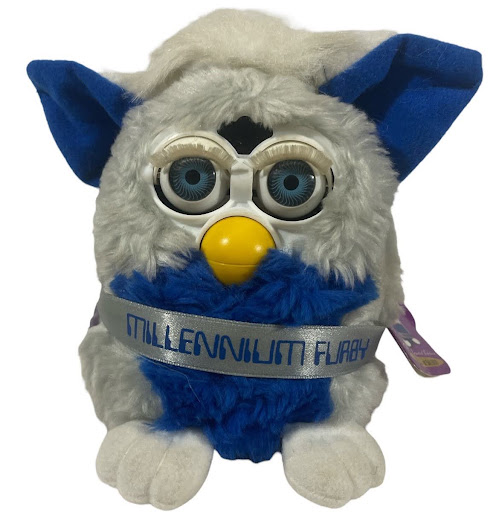
4. The Original Furby (1998) and Its Rare Editions
Typical value: ~$250 for a sealed original; standout editions have sold for far more
The must-have toy of 1998 is a Y2K cornerstone, and its market is a perfect lesson in variant value. A sealed, boxed original Furby trades around $250 — respectable, not life-changing. The special editions are where it gets wild: the 1999 Millennium "Tiger" edition has sold on eBay for around $4,550 unopened, and the rare Furby Angel (2000), with fewer than 50 believed made, has brought roughly $800 boxed.
The identifier: Furby value is a game of fur-and-eye colorways and editions, not the toy itself. The original 1998 release is identifiable by its first-run box and model; the premium variants are specific limited editions (Millennium, Angel) and uncommon color combinations, and top sealed examples are prime AFA-grading candidates.
Why it's collectible: Universal nostalgia plus a deep hierarchy of limited editions and colorways — the base toy is common, but the scarce variants behave like genuine grails.
What Collectors Should Know: Identify the exact edition and fur-and-eye colorway before you price it — that detail, not the Furby itself, is where the value lives.
Fig.7: 1999 Millennium "Tiger" edition Furby worth almost $5,000 - image courtesy of eBay
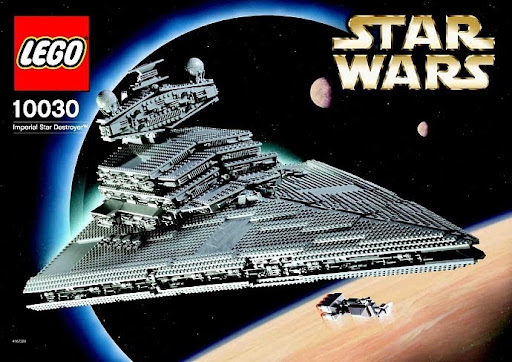
3. LEGO Star Wars Imperial Star Destroyer #10030 (2002)
Current sealed value: ~$1,660 (original retail: $269.99)
Here's where Y2K toys stop being nostalgia and start being blue-chip assets. LEGO's early-2000s Ultimate Collector Series sets are among the best-performing toys of the era, period. The 3,100-piece Imperial Star Destroyer, released in 2002, has grown more than 500% over its original retail price and sits around $1,660 sealed — a return that embarrasses most traditional investments.
The identifier: This is the original 2002 UCS release (set 10030), not a later Star Destroyer reissue — confirm the set number on the box, and confirm the factory seal is intact and original.
Why it's collectible: Retired, large-format UCS sets combine a finite sealed supply with relentless adult-collector demand — a textbook scarcity-against-rising-demand story.
What Collectors Should Know: A factory-sealed box is the whole game here — an opened or built set is worth a fraction, so never crack the shrink wrap if value is the goal.
Fig.8: LEGO Star Wars Imperial Star Destroyer #10030 from 2002 - image courtesy of BrickSets
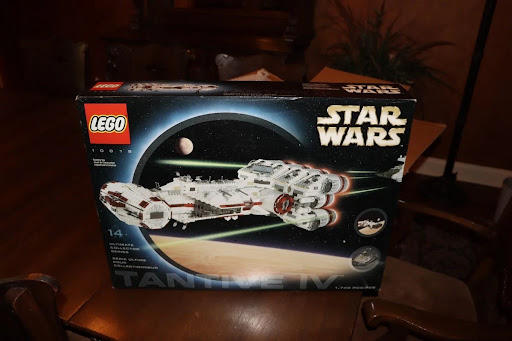
2. LEGO Star Wars Rebel Blockade Runner #10019 (2001)
Current sealed value: ~$1,986 (original retail: $199.99)
The crown jewel of attainable Y2K toy investing. Released in 2001, the Rebel Blockade Runner has appreciated nearly 900% over its original $199.99 retail and now trades around $1,986 sealed. It's the clearest proof that the smartest Y2K "toy" buy was a LEGO set you never opened — a finite, retired, universally recognized collectible with a documented, steep growth curve.
The identifier: Look for set number 10019, a 2001 release, factory-sealed. At this price, verifying the seal is original and intact matters as much as the set itself.
Why it's collectible: A retired early-2000s UCS set with one of the steepest appreciation curves in the hobby — scarce sealed supply meeting a global, cash-rich LEGO collector base.
What Collectors Should Know: Sealed condition and an intact, original box seal drive nearly all the value — a resealed or built example is a completely different (and far cheaper) item.
Fig.9: LEGO Star Wars Rebel Blockade Runner #10019 from 2001 - image courtesy of eBay
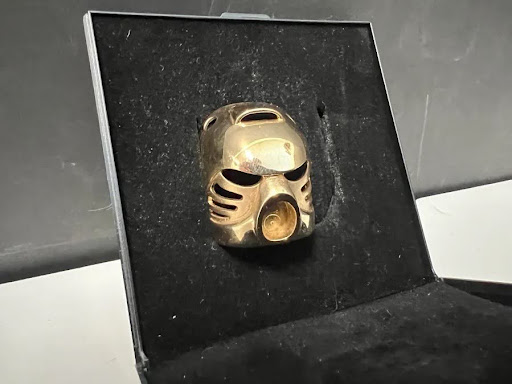
1. The 14-Karat Gold Bionicle Kanohi Hau Mask (2001)
Record sale: $18,101
The single most valuable Y2K toy on this list isn't a toy — it's a prize. To promote the launch of Bionicle in 2001, LEGO produced a tiny run of solid 14-karat gold Kanohi Hau masks — fewer than 30 believed to exist — and handed them out through a promotional contest. They are, by consensus, among the most valuable LEGO pieces ever made. In early 2024, one surfaced in the most Y2K way imaginable: a Pennsylvania Goodwill received it inside a donated bag of jewelry, listed it for $14.95, and watched collectors identify it and push the auction to $18,101.
The identifier: A real one is solid 14-karat gold (it carries a hallmark and has genuine weight), not the common black, silver, or pearl-gold plastic Hau masks from retail sets — which is exactly the distinction the Goodwill listing missed.
Why it's collectible: Near-impossible rarity (a contest-only run of solid gold), intrinsic precious-metal value, and a documented provenance story — every lever of value firing at once.
What Collectors Should Know: This is the ultimate reminder that a Y2K "toy" can be a genuine treasure hiding in plain sight, and that correct identification and authentication are what unlock a five-figure result.
Fig.10: The 14-Karat Gold Bionicle Kanohi Hau Mask from 2001 found at Goodwill - image courtesy of FOX News
What This List Tells Us About Y2K Collecting
Step back from the individual toys, and the pattern is the same one that governs every serious collectible market. The winners are sealed, rare, and provable; the losers are loose, common, and hyped. A built LEGO set is a toy; a sealed one is an asset. A redeemed Webkinz is a plush; an unused code is a time capsule. A Mattel Polly Pocket is nostalgia; a complete Bluebird compact is a find.
Y2K toys are having their moment because the millennial collecting base has the money and the motivation to chase the specific objects of their childhood, and because enough time has passed that the sealed, complete survivors have become genuinely scarce. Nostalgia, though, is a demand signal, not a value guarantee. The Big Three still decide everything: condition (increasingly, an AFA grade), rarity, and provenance.
Final Thoughts
The Y2K toy boom is a real market with a very old rulebook. The objects have changed — Furbies and Bionicle masks instead of vintage cards and tin robots — but the forces are identical: sealed condition, genuine scarcity, and provable provenance are what turn a childhood toy into a collectible. Everything else is nostalgia, and nostalgia doesn't pay.
The best move isn't to rush to sell or to assume your bin is a jackpot. It's to find out exactly what you have — which toys are sealed, which variants are rare, and which are only memories. A gold mask sat in a donation bag with a $14.95 price tag because nobody knew what it was. Don't be the person who lets a treasure walk out the door, and don't be the person who overpays for a myth.
Collectibles.com is built for exactly this moment — scan, identify, value, and organize your collection in one place, so you always know whether you're holding an asset or a memory, alongside a community that grew up chasing the same toys you did.
Frequently Asked Questions
What are the most collectible Y2K toys right now?
The strongest performers heading into 2026 are sealed early-2000s LEGO Star Wars Ultimate Collector Series sets (such as the Rebel Blockade Runner and Imperial Star Destroyer), rare Furby editions, first-edition Bratz, and ultra-rare promotional pieces like the 14-karat gold Bionicle Hau mask. Sealed condition and rare variants drive nearly all the value.
Are Beanie Babies worth anything in 2026?
Almost all Beanie Babies are worth only a few dollars. The viral claim that a Princess Diana bear is worth $100,000 is a myth. A small number of genuine first-generation tags and factory errors — such as the royal-blue 1995 Peanut the Elephant — can reach the low thousands, but only with authentication.
What makes a Y2K toy valuable?
Condition (sealed, boxed, or complete — ideally AFA-graded), rarity (promotional pieces, contest prizes, first editions, retired colorways), and provenance (original packaging, certificates, and authentication). A loose, common toy is nostalgia; a sealed, rare, provable one is a collectible.
Should I get a Y2K toy AFA graded?
Only if it's factory-sealed and genuinely scarce. AFA (Action Figure Authority) grading — the toy world's equivalent of PSA — accepts only sealed items, meaningfully boosts value mainly at grades of 85 or higher, and costs around $200. For a common sealed toy it isn't worth it; for a rare, high-grade sealed example, an AFA slab can roughly double the price.
Which Y2K toy appreciated the most?
Among widely available toys, the 2001 LEGO Rebel Blockade Runner stands out, appreciating nearly 900% over its original retail. Among ultra-rare pieces, the 14-karat gold Bionicle Kanohi Hau mask is the headline, with a documented $18,101 sale.
Disclaimer: All content on Collectibles.com and shared publicly is for educational and informational purposes only and does not constitute investment, financial, tax, or legal advice. Collectibles.com and its partners are not registered investment advisors. Investing in collectibles carries a high risk of loss, including total loss of principal, and is speculative and unsuitable for many investors. Values cited reflect reported sales and market listings and vary widely with condition, variant, and authentication. Past performance is no guarantee of future results. Always consult qualified professionals before making decisions. No recommendations or solicitations are intended.
Written by Dillan Prince - Collectibles.com Growth Marketer

